
Hongbo Chi, PhD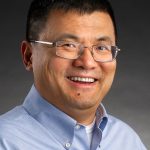
Member, St. Jude Faculty
Chair, Department of Immunology
Robert G. Webster Endowed Chair in Immunology
Co-Director, Center of Excellence for Pediatric Immuno-Oncology (CEPIO)
Associate Director, Basic Research, Comprehensive Cancer Center
Dr. Hongbo Chi has been selected as the 2025 ICIS-BioLegend William E. Paul Award for Excellence in Cytokine Research winner in recognition of his seminal contributions to the fields of immunology and cytokine biology, especially for his studies establishing mechanisms and functional outcomes of immunometabolism. His foundational discoveries in immunometabolism and systems immunology have transformed our understanding of the interplay between metabolism, immunity and cytokine biology.
Dr. Chi will give his ICIS-BioLegend Award Presentation during the Opening Session of the Cytokines 2025 Meeting on Sunday, November 2 at the Seattle Westin in Seattle, Washington, USA.
Through pioneering studies, Dr. Chi introduced the concept of metabolic reprogramming of cell fate, with a primary focus on T cells and dendritic cells. His work revealed that glycolysis drives IL-17 production by CD4+ T cells and Th17 differentiation, and that metabolic programs govern CD8+ T cell and regulatory T cell (Treg) function, including their production of IFN that contributes to anti-tumor immunity. He further advanced the field of immunometabolism by identifying key principles, such as metabolic heterogeneity and adaptation, that link metabolic states to immune cell function. Extending his insights beyond T cells, Dr. Chi discovered the metabolic dependence of dendritic cell subsets, demonstrating the selective roles of mitochondrial and glutamine metabolism in programming type-1 conventional dendritic cells (cDC1) for anti-tumor immunity.
Moreover, Dr. Chi’s work uncovered the pivotal roles of mTOR and nutrient-dependent signaling in mediating adaptive immunity and immune tolerance, as well as the metabolic vulnerabilities underlying cancer and autoimmune diseases. His laboratory established the concept of the metabolic orchestration of T cell quiescence and quiescence exit, identifying mTOR signaling as a key regulator of these cellular states. He also introduced the paradigm that nutrients function as “Signal 4” in T cell responses, which acts in concert with cytokines (“Signal 3”) or other immune signals to coordinate T cell activation, differentiation and function.
Pushing the boundaries of immunometabolism and systems immunology, Dr. Chi has pioneered the applications of systems biology and functional genomics to immunology. In particular, he harnessed in vivo high-throughput CRISPR screens to systematically discover metabolic checkpoints that enable reprogramming T cell function and cytokine production or overcoming tumor immune evasion. His laboratory also innovated in vivo single-cell CRISPR screening platforms to reconstruct causal gene networks and developed data-driven network approaches to infer protein activity (“hidden drivers”). His identification of actionable disease targets has established clear paths to clinical translation, including ongoing efforts to target Regnase-1 in CAR T cells for cancer immunotherapy. Dr. Chi’s transformative discoveries in immunometabolism and systems immunology have deepened our understanding of adaptive immunity and introduced novel therapeutic strategies for cancer and autoimmune diseases.
Dr. Chi received his PhD from the University of Rochester in 2001 and completed his postdoctoral training with Dr. Richard Flavell at Yale University School of Medicine. He began his independent research program at St. Jude Children’s Research Hospital in 2007. He has led major collaborative initiatives, including the iTARGETS “blue sky” project that aims to discover novel immuno-oncology targets, especially for pediatric cancers, and the Center of Excellence for Pediatric Immuno-Oncology (CEPIO), which fosters cross-disciplinary research in immuno-oncology. As Associate Director for Basic Research at St. Jude Comprehensive Cancer Center, he plays a key role in shaping basic research directions at the institution. In 2025, Dr. Chi was appointed Chair of the Department of Immunology at St. Jude, where he will lead the growth and expansion of the department to advance immunological science.
Dr. Chi’s research program has been continuously funded by the National Institutes of Health since 2007. Notably, he recently received an NCI R35 outstanding investigator award, an NIAID R37 merit award, and Dr. William E. Paul Distinguished Innovator Award from Lupus Research Alliance. Dr. Chi’s work is highly regarded (with publications in prestigious journals such as Nature, Cell, Nature Immunology, Immunity, Cell Metabolism and Science Immunology, among others) and widely referenced, earning him a place on the Highly Cited Researchers lists for 5 years in a row (2020–2024). He is an elected 2023 fellow of the American Association for the Advancement of Science (AAAS), and was honored by his graduate alma mater, University of Rochester, with the 2018 Alumni Achievement Award. Dr. Chi continues his pursuit of fundamental discoveries and their therapeutic applications as a highly collaborative member of St. Jude and the scientific community.