Introducing the 2025 Award Recipients

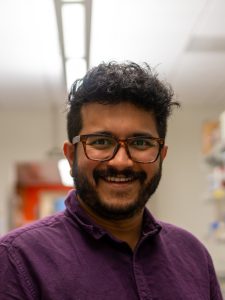
Dr. Mohammad Arifuzzaman is an Assistant Professor of Immunology in the Department of Medicine at Weill Cornell Medicine, Cornell University. He obtained his bachelor’s and master’s degrees from the University of Dhaka and his Ph.D. from Duke University. Dr. Arifuzzaman completed his postdoctoral training at Weill Cornell Medicine where he developed his current research program focused on understanding how environmental factors, including signals from diet and microbiota, regulate the immune system in health and disease. His research program operates at the intersection of immunology, microbiology, and chemical biology, defining the complex interactions between nutrition, microbial metabolism, and host immune system in the contexts of infection, inflammatory and metabolic diseases, and cancer. His work has been recognized with the Tri-institutional Breakout Prize for Junior Investigators, the American Association of Immunologists ASPIRE Award, and the NOSTER & Science Microbiome Prize.
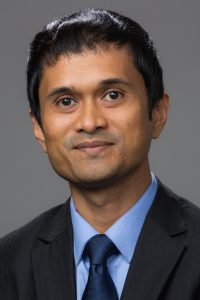
Dr. Ang Cui is a faculty member at Mass General Brigham and Harvard Medical School and directs a computational-experimental hybrid research laboratory in systems immunology. Her research focuses on understanding the complexity of cellular responses to cytokines and applying such precise insights to develop novel immunotherapeutic strategies for immune-mediated diseases and cancer. Dr. Cui received a bachelor’s degree in Electrical and Computer Engineering from the University of Toronto, an MSc in Computational Biology from Yale University, a PhD in Medical Engineering from Harvard-MIT Health Sciences and Technology and the Broad Institute of MIT and Harvard, and joined the Harvard faculty as an assistant professor and started her laboratory in January 2023. For her work at the intersection of immunology and big data, she was named by MIT Technology Review as one of the 35 Innovators Under 35 and received the Karin Grunebaum Foundation Faculty Fellowship and the Cancer Research Institute Technology Impact Award.

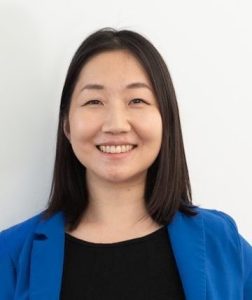

Dr. Ruaidhrí Jackson is an assistant professor in the Department of Immunology at Harvard Medical School. He earned his Ph.D. in Immunology at the National University of Ireland Maynooth under the mentorship of Dr. Paul Moynagh, focusing on the molecular role of E3 ubiquitin ligases in Toll-like receptor 3 anti-viral signaling. Dr. Jackson then completed his postdoctoral fellowship in Dr. Richard Flavell’s laboratory at Yale University, where he investigated how non-canonical translation events, mechanosensation, and enteric neuroinflammation impact cytokine production and mucosal immunity. Dr. Jackson has received several prestigious honors, including being named a Paul Allen Distinguished Investigator, a Kenneth Rainin Innovator, and a recipient of the NIH Director’s New Innovator Award. His laboratory investigates genomic dark matter in immune regulation, the relationship between mechanosensation and tissue inflammation, and the role of intrinsic enteric neurons in modulating immunity and disease.
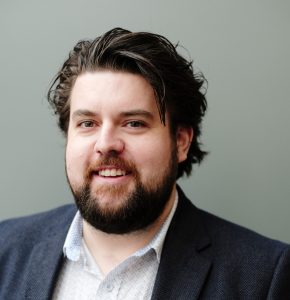
Dr. Nandan Gokhale is an Assistant Professor in the Division of Immunobiology at Cincinnati Children’s Hospital Medical Center and is interested in how RNA biology regulates and is regulated by innate immunity and viral infection. Nandan completed his PhD with Dr. Stacy Horner in 2019, with whom he studied how RNA modifications in viral and cellular RNA impact influence infection. He then trained with Dr. Ram Savan for his postdoc, making inroads into how cellular RNA molecules interact with the MAVS signalosome to influence antiviral signaling. In his own lab, he is excited to continue study how RNA molecules and RNA-protein interactions mediate immune signaling complex function.